

『DPT Flow Meter: Differential Pressure Transmitter Process Communication Units』Related information(flow rotameter|digital flow meter|balo meter|hydraulic flow meter|volumetric meter|positive displacement meter|pitot tube flow meter|displacement meter|cfm meter|variable area flow meter|inline flow meter|differential pressure flow meter|calibrated flow meter|velocity meter|paddle wheel flow meter|oval gear flow meter|anemometer hvac|multiphase flow meter|doppler flow meter|thorpe tube flowmeter|heat flow meter)

DPT Flow Meter: Differential Pressure Transmitter Process Communication Units
Quick Answer: A DPT flow meter combines a differential pressure transmitter with a primary flow element such as an orifice plate, Venturi tube, or nozzle. Process communication units on these instruments usually include 4-20 mA HART, Modbus RTU, RS485, or pulse outputs. Silver Automation Instruments provides DPT flow meters in DN15 to DN300 sizes with HART 7 and optional ATEX Zone 1 protection.
DPT flow meter selection starts with the process data. You need to know the fluid type, pressure, temperature, pipe size, and flow range. These five values decide the transmitter range, the primary element design, and the communication unit. Most engineers skip the communication unit check until commissioning. Skipping the communication check at the start creates extra wiring and signal conversion work on site.
Common Process Communication Units for DPT Flow Meters
A differential pressure transmitter flow meter can send flow data in several formats. The most common output is a 4-20 mA analog signal with HART digital overlay. A 4-20 mA HART signal works with nearly every control system in oil and gas, water treatment, and chemical plants. A two-wire loop carries power and signal at the same time. HART 7 allows long tag names, device variables, and remote configuration from a handheld communicator or asset management software.
Modbus RTU over RS485 is another option we see on customer sites. A DPT flow meter with Modbus output is useful when the control room is far from the pipe run. RS485 handles cable distances up to about 1200 meters. But in practice, many Southeast Asian water treatment plants prefer Modbus for pump station flow monitoring. They link the flow meter to a local PLC and then to a SCADA system.
Some DPT flow meters also include a pulse or frequency output. A pulse output is common for batching applications or totalizing flow in food and beverage lines. A pulse signal gives a simple input for a flow computer or panel meter. We often suggest HART plus pulse when the customer wants both analog trending and batch counting.
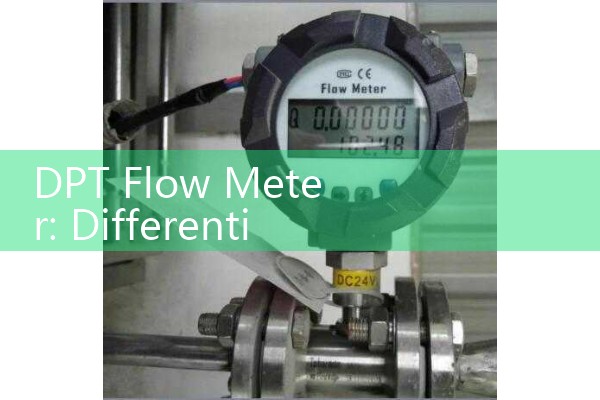
For standard gas and steam flow, we recommend the SIL-DPT3051 differential pressure transmitter with HART 7 output. This model covers differential ranges from 0 to 6 kPa up to 0 to 2 MPa. Pair it with a 316L stainless steel orifice plate and a 3-valve manifold for a complete DPT flow meter package.
Field Installation Details That Affect Signal Reliability
Process communication units are only reliable when the installation is correct. Use shielded twisted pair cable for 4-20 mA HART and Modbus RS485. Keep signal cable away from variable frequency drives and high voltage motor cables. Ground the shield at one end only. A floating ground on both ends can create ground loops that corrupt flow readings.
For steam flow measurement, the differential pressure transmitter needs impulse lines with condensate pots. For gas flow, the transmitter mounts above the pressure taps so condensate drains back into the pipe. For liquid flow, the transmitter mounts below the taps so gas bubbles do not enter the impulse lines. These small details affect the 4-20 mA signal stability more than the transmitter electronics do.
Here is the thing about process communication units. The protocol type does not fix a poor primary element installation. An orifice plate with a damaged sharp edge or a reversed plate will produce a wrong differential pressure. The transmitter reports that wrong value very accurately. Always verify the primary ele
How to Specify a DPT Flow Meter for Your Project
Send us these values for a fast quote: fluid name, operating pressure in bar, temperature in degrees Celsius, pipe size in DN, and minimum and maximum flow rate. Tell us the required output signal. If you need HART 7, Modbus RTU, or pulse output, include that in the request. For hazardous areas, specify ATEX Zone 1 or Zone 2 and the gas group.
We have supplied DPT flow meters to a water utility in the Philippines for a desalination plant feed line. The order used DN200 Venturi tubes with 4-20 mA HART output and stainless steel impulse lines. Another customer in Nigeria bought 20 DPT flow meters with Modbus RS485 for a natural gas metering skid. These units had LCD displays and external zero buttons. Both projects used standard products from our stock range.
Silver Automation Instruments keeps many DPT flow meters in stock for DN15 to DN150 pipe sizes. Larger sizes up to DN300 are available with a short production lead time. Pressure ratings cover PN16, PN40, and ANSI 150. Process wetted materials include 316L stainless steel, Hastelloy C, and PTFE lined bodies for corrosive fluids.
Five DPT Flow Meter Questions Engineers Ask Us
1. Can a DPT flow meter measure both gas and liquid?
Yes. The same differential pressure transmitter works with different primary elements. You need to set the fluid density and flow calculation in the transmitter or flow computer. Gas and liquid use different tap orientations and impulse line arrangements.
2. What is the typical accuracy of a DPT flow meter?
For a standard orifice plate system, expect plus or minus 1 percent to plus or minus 2 percent of full scale. Venturi tubes can reach plus or minus 0.5 percent of rate in good installations. The transmitter itself is often plus or minus 0.075 percent of span.
3. Does Silver Instruments offer complete DPT flow meter packages?
Yes. We supply the primary element, the differential pressure transmitter, manifold valve, impulse line fittings, and the process communication unit configured to your output signal. We also include a calibration certificate if requested.
4. Which communication protocol should I choose for a new plant?
Choose 4-20 mA HART if the plant has a DCS or standard PLC analog inputs. Choose Modbus RS485 if you need multi-drop wiring and longer cable runs. Choose pulse output if you only need total flow for batching.
5. Can you supply DPT flow meters for hazardous areas?
Yes. We offer ATEX Zone 1 and Zone 2 certified transmitters. Intrinsically safe and flameproof enclosures are both available. Tell us the zone classification and gas group for your site.
Contact Silver Automation Instruments
For a DPT flow meter price or technical selection, contact our sales engineers. Send us your pressure in bar, temperature in degrees Celsius, pipe size in DN, and flow range. We will reply with a recommended model and a quotation within one working day.
Tel: +86-25-68650347
Whatsapp: +86-25-52155837
WeChat: +86 15365082610
Silver Automation Instruments serves industrial users and distributors in Southeast Asia, Oceania, Latin America, Africa, and the Middle East. Our main products include Coriolis mass flow meters, electromagnetic flow meters, ultrasonic flow meters, vortex flow meters, oval gear flow meters, thermal mass flow meters, pressure transmitters, and paperless recorders.
 Hot Blog
 Related AD