

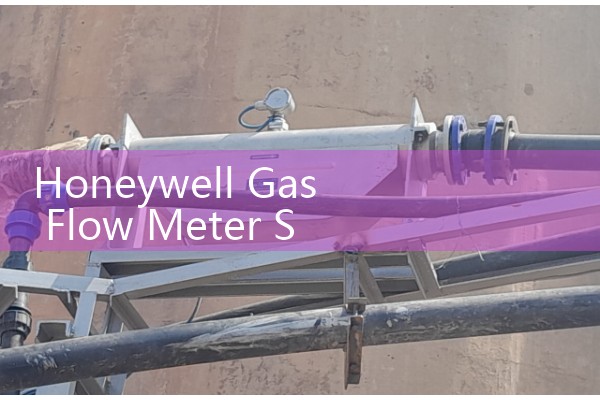
『Honeywell Gas Flow Meter Systems: Diaphragm and Rotary Solutions for Commercial Boiler Utility Lines』Related information(flow rotameter|digital flow meter|balo meter|hydraulic flow meter|volumetric meter|positive displacement meter|pitot tube flow meter|displacement meter|cfm meter|variable area flow meter|inline flow meter|differential pressure flow meter|calibrated flow meter|velocity meter|paddle wheel flow meter|oval gear flow meter|anemometer hvac|multiphase flow meter|doppler flow meter|thorpe tube flowmeter|heat flow meter)
Honeywell Gas Flow Meter Systems for Commercial Boiler Utility Lines: Diaphragm and Rotary Options Compared
Quick Answer: Honeywell diaphragm gas meters suit commercial boiler gas lines with steady low to medium flow. Honeywell rotary gas meters handle wider turndown and larger pipe sizes from DN50 to DN150. Silver Automation Instruments can supply replacement meters, backup meters, or companion instruments for the same utility lines. Send your gas type, pressure in bar, temperature in Celsius, pipe size DN, and flow range for a direct model match.
Commercial boiler rooms in Southeast Asia, the Middle East, and Latin America still use Honeywell gas flow meter systems for commercial boiler utility lines. Diaphragm and rotary solutions are the two most common types on natural gas, LPG, and biogas utility lines. The meters are durable and simple. But every plant has a different flow profile. Some boiler lines start and stop many times a day. Others run at a fixed load for weeks. The right meter type depends on these facts.
What Honeywell Diaphragm and Rotary Gas Meters Do on Boiler Utility Lines
Diaphragm gas meters measure volume by filling and emptying internal chambers. They are common on low pressure lines below 0.5 bar and on smaller line sizes. Typical sizes are DN25 to DN80. They work well with clean gas and steady flow. Accuracy is often plus or minus 1 percent across the mid range. The pressure drop is low but not zero.
Rotary gas meters use two figure-eight rotors. They suit higher pressure and larger line sizes. Common sizes run from DN50 to DN150. A rotary meter handles higher turndown than a diaphragm meter. Boiler rooms with large seasonal load swings often install rotary meters on the main gas header. The downstream boiler feed lines then use smaller diaphragm or thermal mass meters.
Typical Utility Line Conditions We See
Here is the thing. Many commercial boiler gas lines do not run at laboratory conditions. In Vietnam and the Philippines we see natural gas at 20 to 50 mbar. In Saudi Arabia and the UAE some LPG lines run at 1 to 3 bar. In Australia, biogas from food waste can carry moisture and small particles. These details change meter selection. Honeywell diaphragm meters tolerate dirty gas to a point. Rotary meters prefer a filter upstream. Most engineers skip this part and then see drift after two years.
Temperature also matters. A boiler room in a basement in Jakarta can reach 45 degrees Celsius. A rooftop gas line in Mexico can hit 55 degrees Celsius. Standard diaphragm meters are usually rated from minus 10 to plus 50 degrees Celsius. Rotary meters can go up to 60 or 80 degrees Celsius depending on the model. Always check the operating temperature on the nameplate.
Diaphragm Gas Flow Meters for Low Load Boilers
Diaphragm meters are cost-effective for small commercial boilers. A hotel in Thailand may have two 500 kW hot water boilers. The gas flow at full load is around 55 cubic meters per hour. A DN50 diaphragm meter covers this easily. The same meter also works on a small bakery steam boiler in Peru. If the flow drops below 10 percent of meter capacity, accuracy falls. That is the main limitation.
We often recommend replacing an old Honeywell diaphragm meter with a thermal mass meter when the boiler line has very low flow at night. Thermal mass meters read mass flow directly. They do not need pressure and temperature compensation for normal natural gas billing checks. Sizes from DN15 to DN100 are available from Silver Automation Instruments. A 4-20 mA HART output sends the signal to the boiler control panel or BMS.
Rotary Gas Flow Meters for Higher Turndown
A rotary meter is a better fit when the boiler plant has multiple burners and large load swings. Example: a central steam plant in Indonesia runs three 2 tonne per hour boilers. The morning gas flow is 180 cubic meters per hour. At night it rises to 260 cubic meters per hour for laundry and kitchen steam. A DN80 or DN100 rotary meter covers that range without losing accuracy.
Rota
Where Silver Automation Instruments Fits as a Supplier
Silver Automation Instruments is a flow meter manufacturer and supplier. We sell direct to boiler contractors, utility teams, and distributors in Southeast Asia, Oceania, Latin America, the Middle East, and Africa. We do not represent Honeywell. We supply compatible replacements and adjacent instruments for gas, steam, and fuel oil utility lines.
For natural gas and biogas you can use our thermal mass flow meter. It has no moving parts and works from very low flow up to 120 meters per second. For superheated steam and high pressure gas we supply vortex flow meters with inline or insertion styles. For diesel and heavy fuel oil feed lines we supply oval gear flow meters. These cover boiler fuel oil consumption from 2 liters per hour up to 2000 liters per hour.
Our gas meter bodies are available in aluminum, stainless steel, or ductile iron. Electronics can include 4-20 mA HART, pulse, RS485 Modbus, and a local digital display. Many models accept PT100 temperature inputs for standard volume correction. We can also supply pressure transmitters for the same line.
Common Gas Flow Meter Data Points for Boiler Rooms
Most spec sheets ask for the same five items. First, gas type. Natural gas, LPG, biogas, or mixed gas. Second, minimum and maximum flow rate. Use kg/h or cubic meters per hour at standard or normal conditions. Third, operating pressure in bar. Fourth, operating temperature in Celsius. Fifth, pipe size and process connection. DN15 to DN150 is the typical range for commercial boiler lines.
If you do not know the exact flow, send us the boiler capacity. A 1 tonne per hour steam boiler consumes roughly 70 to 80 cubic meters of natural gas per hour at full load. A 500 kW hot water boiler consumes around 50 to 60 cubic meters per hour. We use these values to estimate the meter size. In practice, a measured gas flow reading from the existing meter is better.
Questions to Send Us for a Quote
Send us your pressure (bar), temperature (°C), pipe size (DN), and flow range in kg/h or cubic meters per hour. Include your gas type and the output you need, such as 4-20 mA HART, pulse, or Modbus. We will respond with one or two specific models and a price quote. For urgent boiler shutdowns, call us at +86-25-68650347 or message us on WhatsApp at +86-25-52155837. Our WeChat ID is +86 15365082610.
FAQ
Which Honeywell gas meter type works best for a small commercial boiler?
A diaphragm meter from DN25 to DN50 usually works well for boilers below 500 kW. The flow range should stay above 10 percent of the meter capacity for accurate readings.
Can Silver Automation Instruments supply a direct replacement for a Honeywell rotary meter?
Yes. We can match the flange size and drilling, pressure rating, and output signal for most DN50 to DN150 rotary meter installations. Send the nameplate photo or the meter model number.
Do you supply meters for biogas and LPG boiler lines?
Yes. We supply thermal mass flow meters for clean and dirty biogas with moisture. We also supply rotary and vortex meters for LPG vapor lines up to 16 bar depending on the model.
Can you help with a boiler gas line that has very low night flow?
Yes. A thermal mass flow meter with a low flow cut-in of 0.5 meters per second is often better than a diaphragm meter in this case. We can size it from DN15 up to DN100.
What information do you need for a fast quote?
Send gas type, pressure in bar, temperature in Celsius, pipe size DN, and flow range. Add the required output signal and we will send a specific model and price within 24 hours.
 Hot News
 Related AD